Zambia records progress on UNESCO culture 2030 indicators
INSTITUTIONSBy Lusaka Times — Lusaka Times
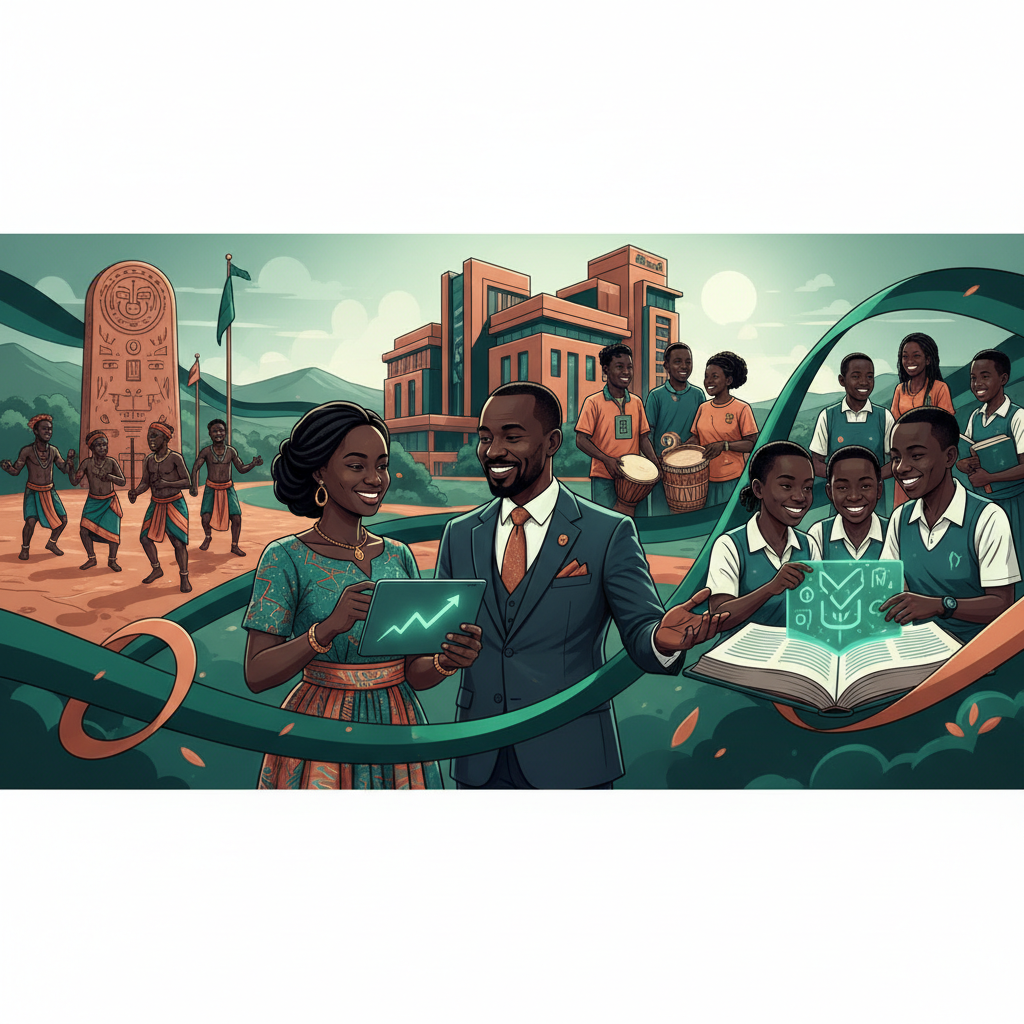
LUSAKA – Zambia has demonstrated commendable progress in its implementation of the United Nations Educational, Scientific and Cultural Organization (UNESCO) Culture 2030 Indicators framework, according to Ms. Bessie Chelemu, Director of Culture and Traditional Affairs at the Ministry of Tourism. This significant stride positions Zambia among a growing number of nations actively working to quantify and integrate the invaluable role of culture into their national sustainable development strategies. Ms. Chelemu, speaking on the sidelines of a recent cultural heritage workshop in Lusaka, emphasized that the framework provides a robust tool for measuring the multifaceted contributions of culture across various societal pillars. These indicators are designed to assess culture's impact on economic growth, social inclusion, environmental sustainability, and knowledge transmission, aligning directly with the broader Sustainable Development Goals (SDGs) set by the United Nations. For Zambia, a nation rich in diverse cultural heritage, this framework offers a structured approach to leveraging its traditions, arts, and historical sites for national benefit. Historically, the recognition of culture as a fundamental driver of development has gained increasing traction globally. UNESCO's initiative seeks to move beyond anecdotal evidence, providing concrete data that can inform policy-making and resource allocation. For Zambia, this means a more evidence-based approach to preserving its 73 ethnic groups' unique customs, languages, and artistic expressions, while also exploring their potential for tourism, job creation, and fostering national identity. The Ministry of Tourism, through its Department of Culture, is tasked with spearheading these efforts, collaborating with local communities, traditional leaders, and cultural institutions. Implementing the Culture 2030 Indicators involves a comprehensive data collection and analysis process, often requiring inter-ministerial coope