Government spends K199 million on agriculture programmes in southern Province
AGRICULTUREBy Lusaka Times — Lusaka Times
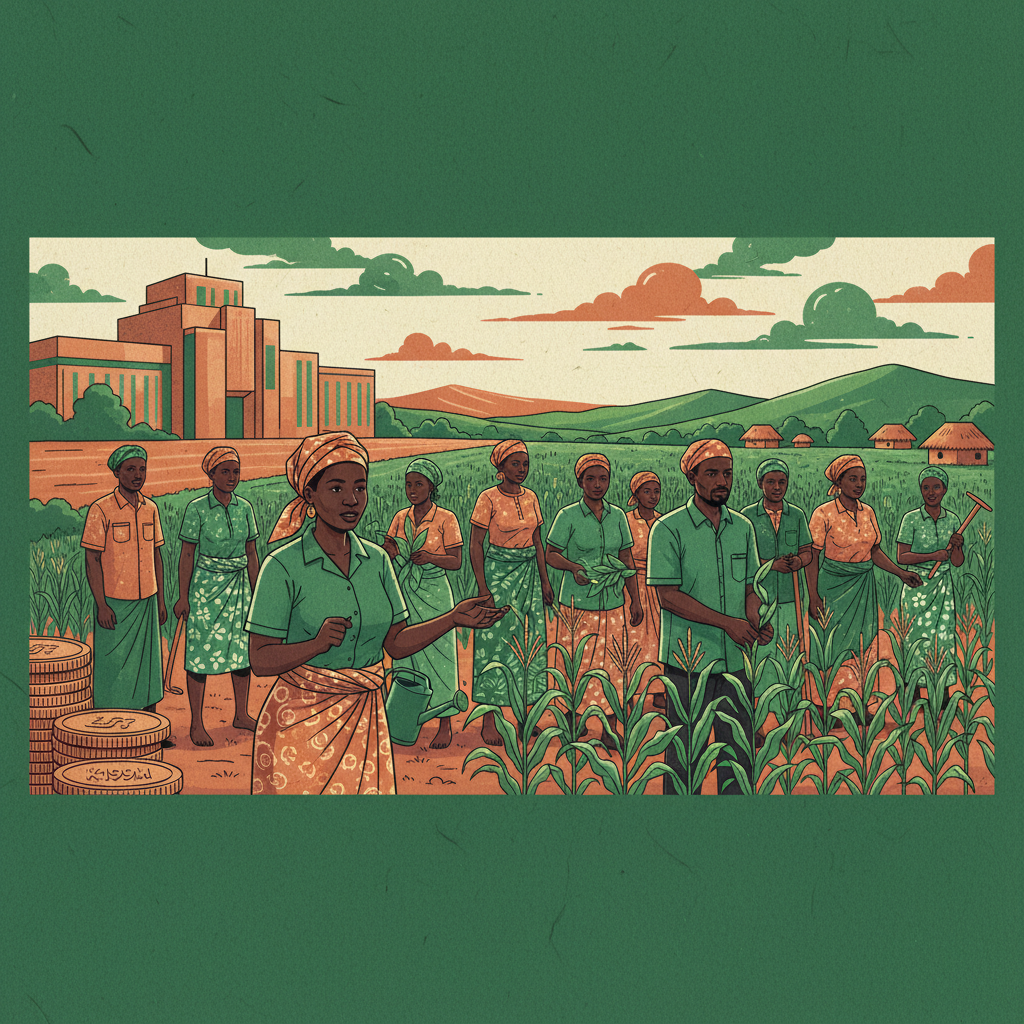
LUSAKA – The Zambian government has announced a substantial investment exceeding K199 million into various agricultural support programmes across Southern Province, a region widely recognized as the nation's agricultural heartland. This strategic allocation of funds underscores the government's unwavering commitment to revitalizing the agricultural sector, boosting productivity among smallholder and commercial farmers alike, and ultimately achieving robust national food security targets. The funds, channelled through various governmental agencies and initiatives, are designed to address critical areas within the agricultural value chain. These include, but are not limited to, the provision of subsidized farming inputs such as fertilizer and improved seeds, extension services to disseminate modern farming techniques, and support for irrigation infrastructure development. Such interventions are crucial in a province that frequently faces climatic challenges, ensuring that farmers can maintain consistent yields and contribute effectively to the national food basket. Southern Province, with its fertile lands and significant contribution to Zambia's maize, livestock, and other cash crop production, stands to gain immensely from this financial injection. Increased productivity in this region not only translates to higher incomes for rural households but also plays a pivotal role in stabilizing food prices across the country and reducing reliance on imports. The government's focus on this province is a recognition of its strategic importance in the broader economic landscape of Zambia. Beyond immediate productivity gains, these programmes are envisioned to foster long-term sustainable agricultural practices. By empowering farmers with better resources and knowledge, the initiative aims to build resilience against climate change impacts and promote diversified farming systems. This holistic approach is essential for transforming subsistence farming into a more commercial