Campaigns haven’t been easy as supporters expect money, regalia – Katuta
POLITICSBy ZPP Newsroom
Source: News Diggers
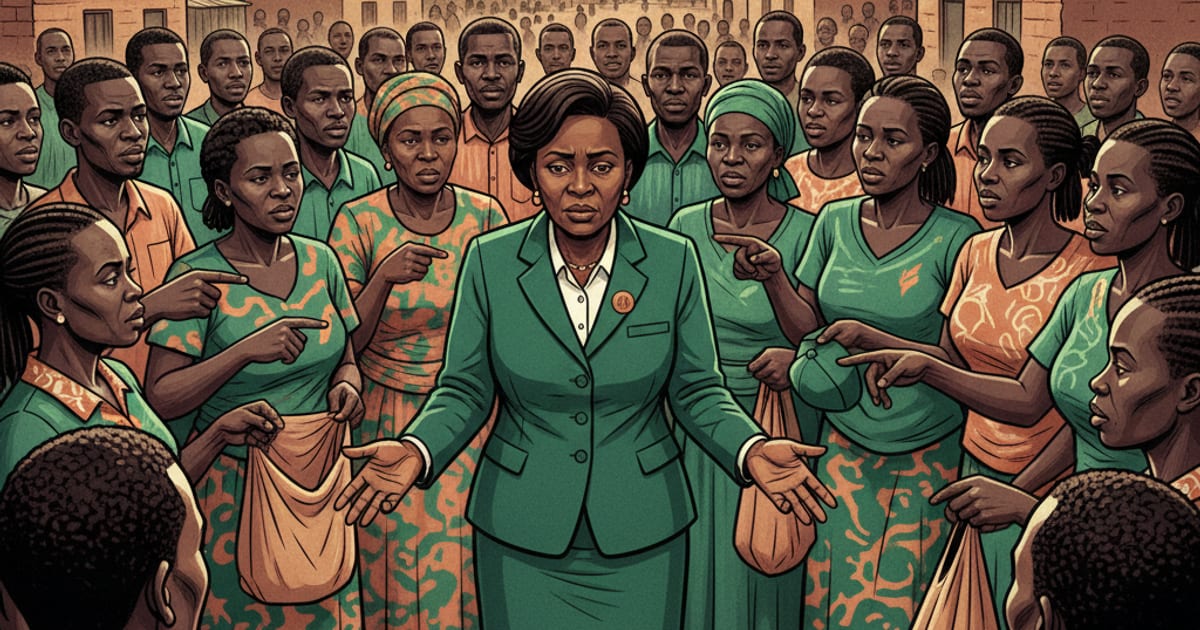
LUSAKA – The demanding nature of political campaigns in Zambia has once again come under scrutiny, with reports indicating that candidates are grappling with the pervasive expectation among supporters for monetary inducements and campaign regalia. This phenomenon, highlighted by a prominent political figure identified as Katuta, underscores a significant challenge to the integrity and financial viability of democratic processes in the nation. Political observers and participants alike have long noted the trend where rallies and community engagements are often predicated on the provision of handouts, such as cash, t-shirts, chitenge materials, and even food. This culture, while seemingly fostering participation, inadvertently transforms political support into a transactional exchange, diverting focus from policy debates and genuine public service. Katuta's remarks suggest that this expectation is not merely an isolated incident but a deeply entrenched aspect of contemporary Zambian politics, making genuine, issue-based campaigning an uphill battle. The financial burden placed on aspiring leaders by these expectations is substantial. Campaign budgets, already strained by logistical costs, advertising, and outreach, are further inflated by the need to meet these material demands. This scenario often disadvantages candidates with limited personal wealth or those who refuse to engage in such practices, potentially limiting the pool of eligible leaders to only the affluent or those willing to compromise ethical standards. The implication is a system where access to power can be influenced more by financial muscle than by merit or public mandate. Furthermore, this transactional approach to political support can erode public trust in the democratic process. When voters or supporters expect payment for their attendance or allegiance, it blurs the lines between civic duty and personal gain. It fosters a cynical view of politics, where politicians are seen as benefactors ra