WHY AREN’T ZAMBIANS CELEBRATING THIS? WHILE OTHERS BORROWED, THIS GOVERNMENT IS BUYING ZAMBIA BACK
BUSINESSBy Zambian Observer — Zambian Observer
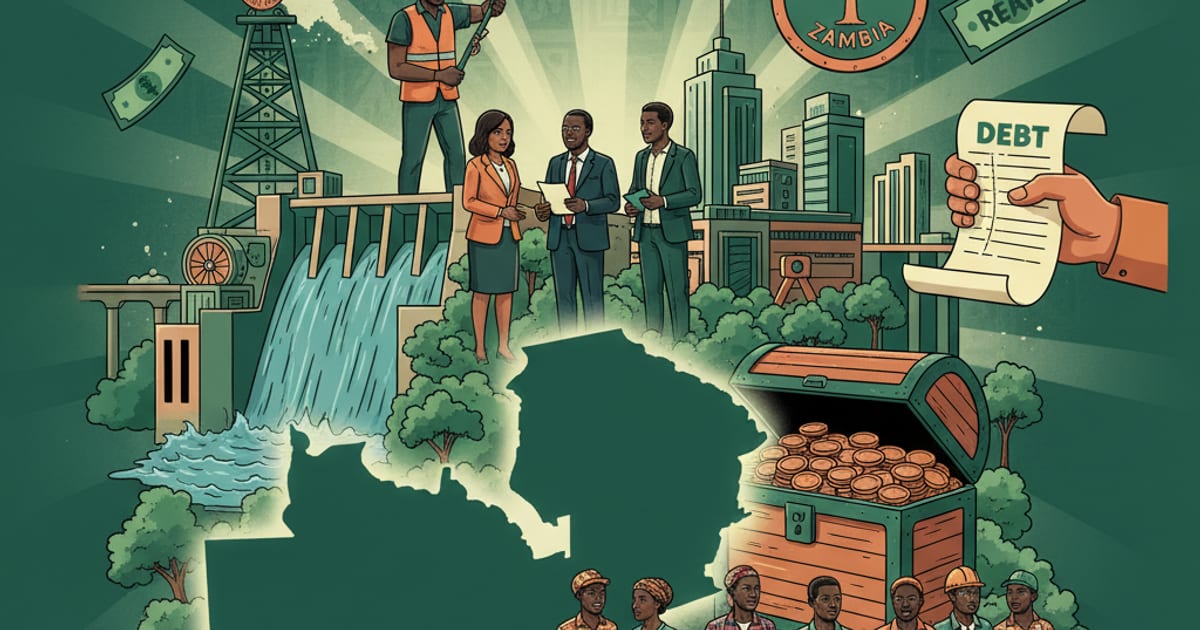
The Zambian Observer recently posed a poignant question, asking why the nation is not celebrating what it perceives as a significant shift in economic policy: the government's current strategy of 'buying Zambia back' instead of accumulating further debt. This narrative suggests a departure from past administrations, which were often characterized by extensive borrowing, leading to a substantial national debt burden. For years, Zambia has grappled with the weight of external and domestic debt, a legacy that has constrained public spending, hindered development projects, and ultimately impacted the livelihoods of ordinary citizens. The previous borrowing spree, while perhaps intended to spur growth, often resulted in unsustainable obligations, diverting crucial resources towards debt servicing rather than essential services like healthcare, education, and infrastructure. According to the article's implied stance, the current government is attempting to reverse this trend. The phrase 'buying Zambia back' suggests a concerted effort to regain control over key economic assets, reduce reliance on foreign creditors, and foster self-sufficiency. This could manifest in various forms, such as strategic investments in productive sectors, renegotiation of existing debt, or prudent fiscal management aimed at generating domestic revenue rather than seeking external loans. Such a policy shift, if effectively implemented, holds profound implications for Zambia's future. A reduced debt burden would free up significant financial resources, allowing the government to invest more robustly in human capital development and critical infrastructure. It could also enhance Zambia's creditworthiness on the international stage, potentially attracting more stable and equitable foreign direct investment rather than debt-creating loans. However, the success of this 'buying back' strategy hinges on transparency, accountability, and a clear long-term economic vision. While the sentiment of redu