Ghana, Rwanda and Zambia Test Interoperable Cross-Border Payment System
BUSINESSBy AllAfrica Zambia — AllAfrica Zambia
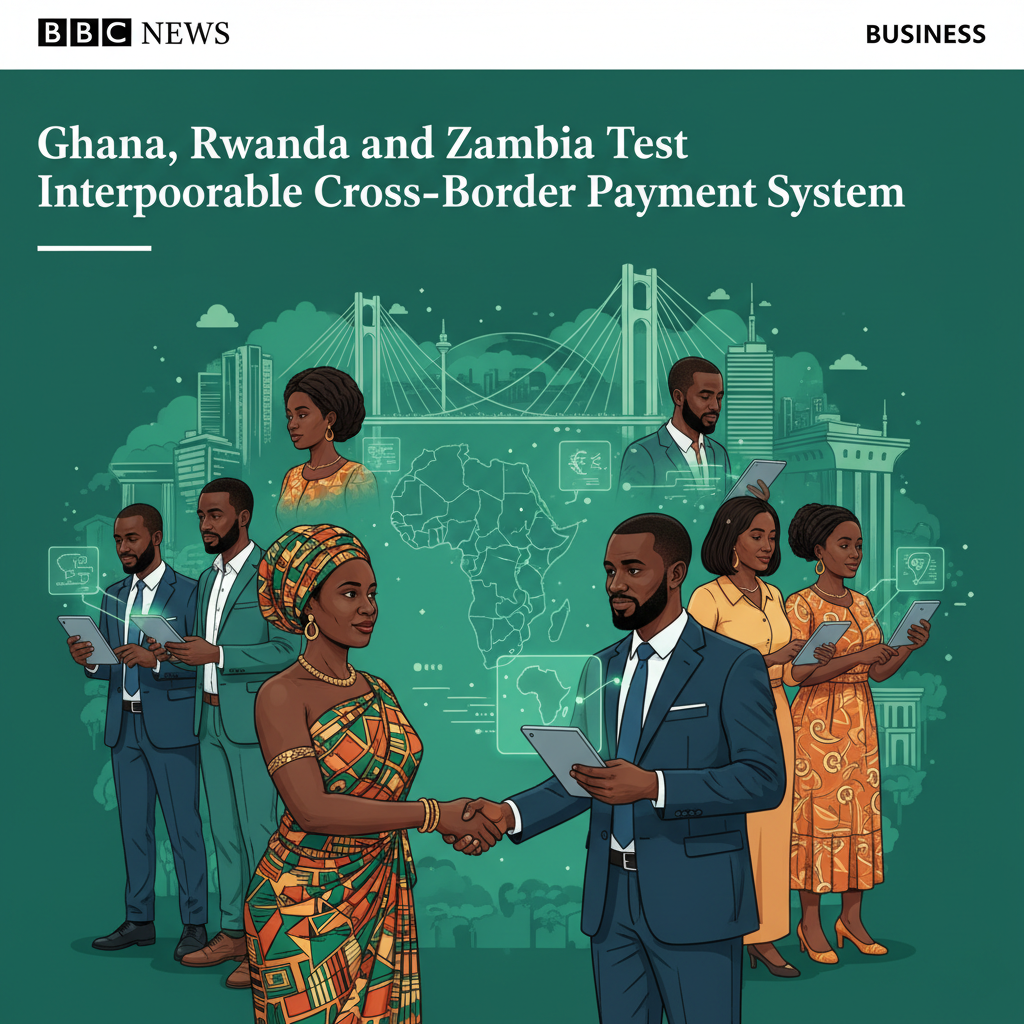
LUSAKA – Zambia has embarked on a groundbreaking pilot project alongside Ghana and Rwanda to test an interoperable cross-border payment system, signaling a significant leap towards seamless regional trade and economic integration within Africa. This ambitious initiative, aimed at creating a unified digital trade corridor, promises to allow instant financial transactions across participating African financial systems, thereby streamlining commerce and reducing the friction often associated with cross-border payments. The current landscape of intra-African trade is frequently hampered by complex and costly payment mechanisms, involving multiple intermediaries, currency conversions, and lengthy settlement times. For Zambian businesses, particularly small and medium-sized enterprises (SMEs) looking to expand their reach into regional markets, these hurdles can be prohibitive. The new system, once fully implemented, is expected to drastically cut down transaction costs, improve liquidity management, and accelerate the flow of goods and services between Zambia and its African partners. This move aligns with the broader objectives of the African Continental Free Trade Area (AfCFTA), which seeks to foster a single market for goods and services across the continent. An efficient payment infrastructure is a cornerstone of AfCFTA's success, enabling businesses to leverage the vast market potential without being bogged down by financial transfer complexities. For Zambia, a land-linked nation, enhanced payment interoperability could unlock new export opportunities for its agricultural produce, minerals, and manufactured goods, boosting local industries and creating employment. Experts suggest that the successful implementation of such a system could also attract greater foreign direct investment into Zambia, as investors would find it easier to repatriate profits or manage regional operations. Furthermore, it could empower individuals, particularly those in the informal secto