Zambia races toward its high-stakes general elections
POLITICSBy Lusaka Star — Lusaka Star
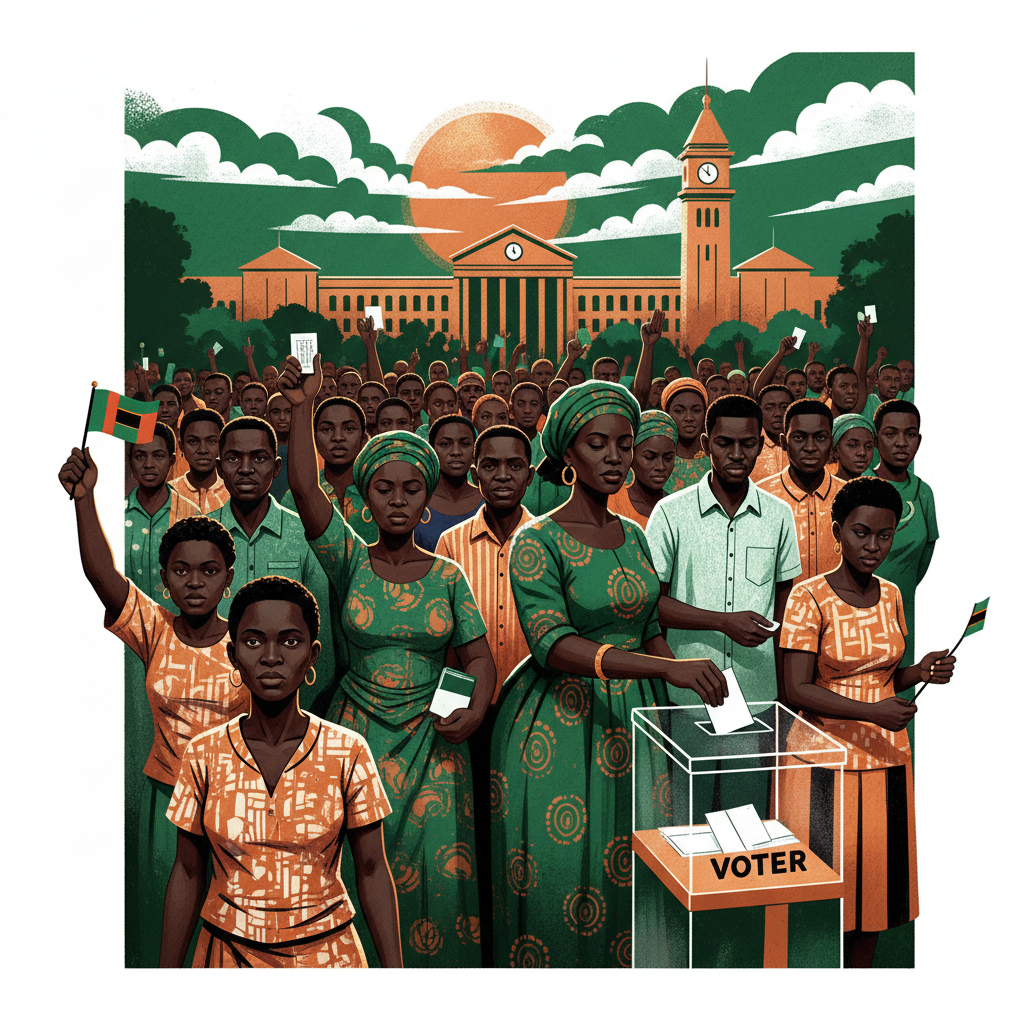
As Zambia steadily approaches its pivotal general elections slated for August 13, 2026, an unprecedented and rather perplexing silence has enveloped the nation's political arena. This quietude stands in stark contrast to the usual fervent campaigning, rallies, and often heated debates that typically characterise the run-up to such a significant democratic exercise in Zambia. The absence of the customary political din has left many observers, from seasoned analysts to the average citizen, pondering the underlying reasons and potential implications for the country's democratic future. Historically, Zambian elections are vibrant spectacles of political discourse, with parties and candidates engaging in extensive outreach, often commencing their campaigns well in advance of the official election period. The current subdued environment raises questions about the strategies being employed by major political players, including the ruling United Party for National Development (UPND) and the main opposition, the Patriotic Front (PF), as well as emerging political entities. This period of relative calm could be interpreted in various ways: perhaps a strategic pause, a re-evaluation of tactics, or even a reflection of a more mature political landscape where parties are focusing on internal consolidation rather than overt public displays. The implications of this unusual silence are manifold. For the electorate, it might lead to a sense of detachment or, conversely, a heightened anticipation for when the political rhetoric inevitably resumes. It also presents a unique challenge for independent media and civil society organisations, who traditionally play a crucial role in informing the public and fostering political debate. Without the usual flurry of public statements and campaign events, their task of dissecting political agendas and holding leaders accountable becomes more complex, potentially impacting voter education and engagement. Furthermore, this quiet period could