Vitol Won Emergency Zambia Fuel Deal That Drew IMF Scrutiny
BUSINESSBy ZPP Newsroom
Source: Financial Post
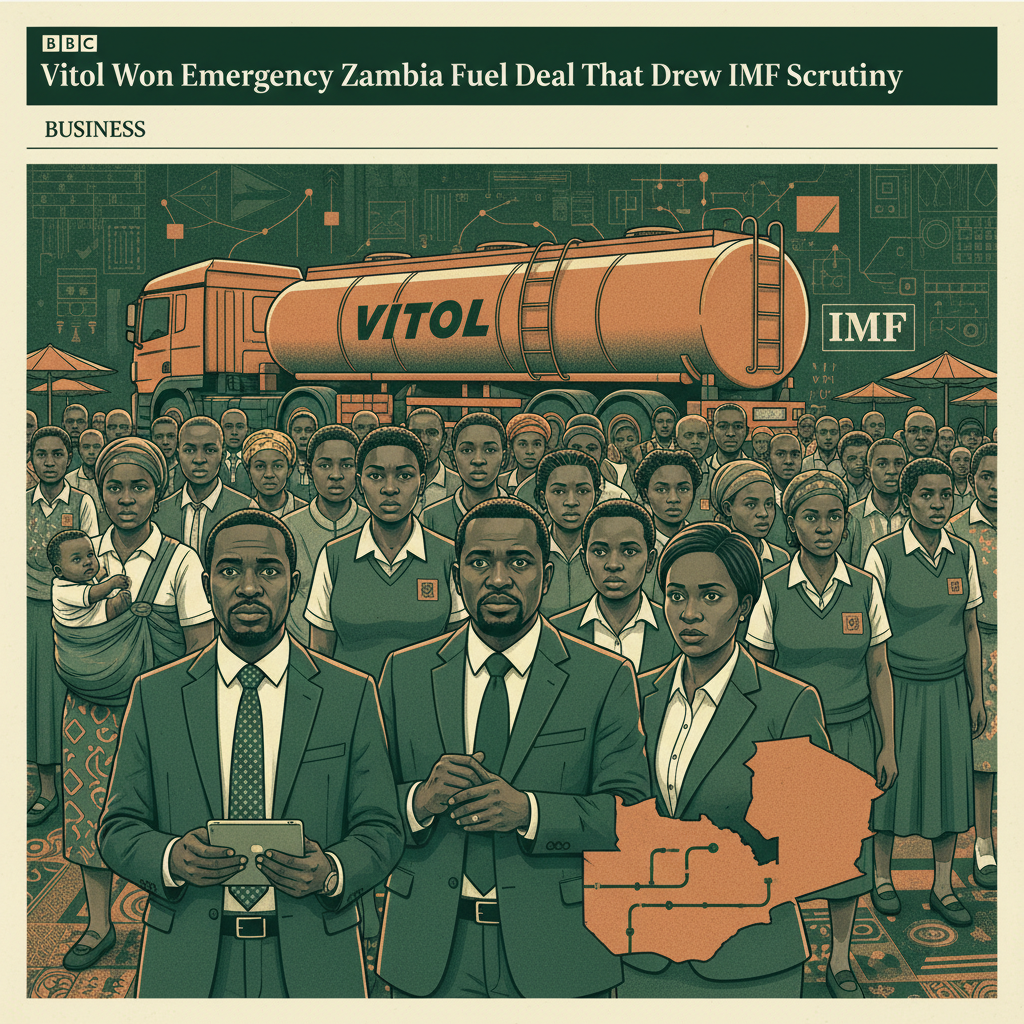
LUSAKA – Global energy trader Vitol Group has been awarded an emergency contract to supply diesel to Zambia, granting the company exclusive access to a vital fuel pipeline until September. This arrangement has ignited considerable debate and drawn sharp criticism from the International Monetary Fund (IMF), which has reportedly pressed Zambian authorities to discontinue the exclusive nature of the deal. The emergency procurement, initiated by the Zambian government, aims to ensure a stable supply of diesel, a critical commodity for the nation's transport, agriculture, and mining sectors. However, the decision to grant exclusive pipeline access to a single supplier, even under emergency pretexts, raises questions about competitive tendering processes and potential implications for market dynamics. Zambia, a landlocked nation, relies heavily on imported fuel, making the efficiency and transparency of its procurement mechanisms paramount for economic stability. The IMF's intervention underscores its ongoing commitment to promoting good governance and fiscal prudence in Zambia, particularly as the country navigates a challenging economic landscape and debt restructuring efforts. Exclusive contracts, especially those awarded without open bidding, often lead to concerns about inflated costs, lack of accountability, and the potential for corruption. The international lender's stance suggests a broader concern that such arrangements could undermine efforts to improve public financial management and foster a more competitive business environment. For Zambia, a country grappling with high fuel prices and supply chain vulnerabilities, the implications of this deal are far-reaching. While the immediate goal is to avert fuel shortages, the long-term economic health depends on sustainable and transparent procurement practices. Critics argue that exclusive deals can stifle local participation, limit options for cheaper fuel, and ultimately burden the consumer with higher costs.