Alliance politics take centre stage as Zambia heads to August polls
POLITICSBy ZPP Newsroom
Source: AllAfrica Zambia
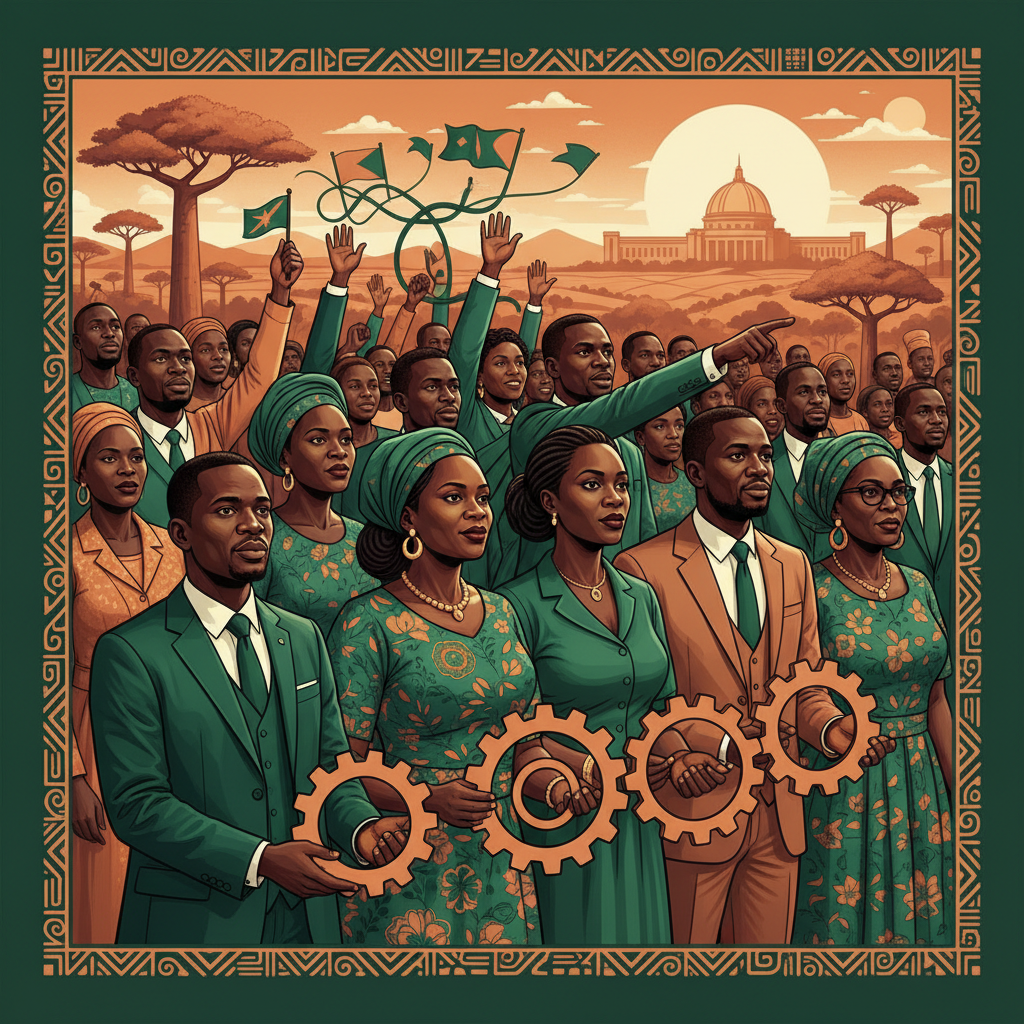
LUSAKA – Zambia is bracing itself for a pivotal general election on August 13th, an electoral contest increasingly defined by the strategic formation of political alliances. This election is shaping up to be one of the most alliance-driven in the country's recent democratic history, signaling a significant evolution in political campaigning and power consolidation. Historically, Zambian politics has seen various forms of cooperation, but the current pre-election period has witnessed an unprecedented surge in formal and informal pacts among parties. These alliances often involve smaller parties aligning with larger, more established entities, or opposition parties coming together to challenge the incumbent. The primary motivation behind such formations is typically to pool resources, expand voter bases, and present a united front against rivals, thereby increasing their chances of electoral success in a highly competitive environment. The implications of this alliance-driven approach are multifaceted. For voters, it can simplify choices by presenting clearer blocs of power, but it can also complicate the political landscape if ideological differences within alliances are too pronounced. For the parties involved, it offers a pathway to relevance and potential influence that might be unattainable individually. However, alliances also carry inherent risks, including internal disagreements, power struggles over candidate selection, and the potential for post-election fragmentation if coalition agreements are not robustly managed. Analysts suggest that the current political climate, characterized by economic challenges and a desire for change among some segments of the electorate, has incentivized parties to seek strength in numbers. The ruling party, while often enjoying the advantages of incumbency, may also engage in strategic partnerships to shore up support in key regions or among specific demographics. Conversely, opposition parties frequently view alliances as t