Don’t feel ashamed If you work hard, but your honest sweat can only afford veggies- Laura Miti
LIFESTYLEBy Laura Miti — Zambian Observer
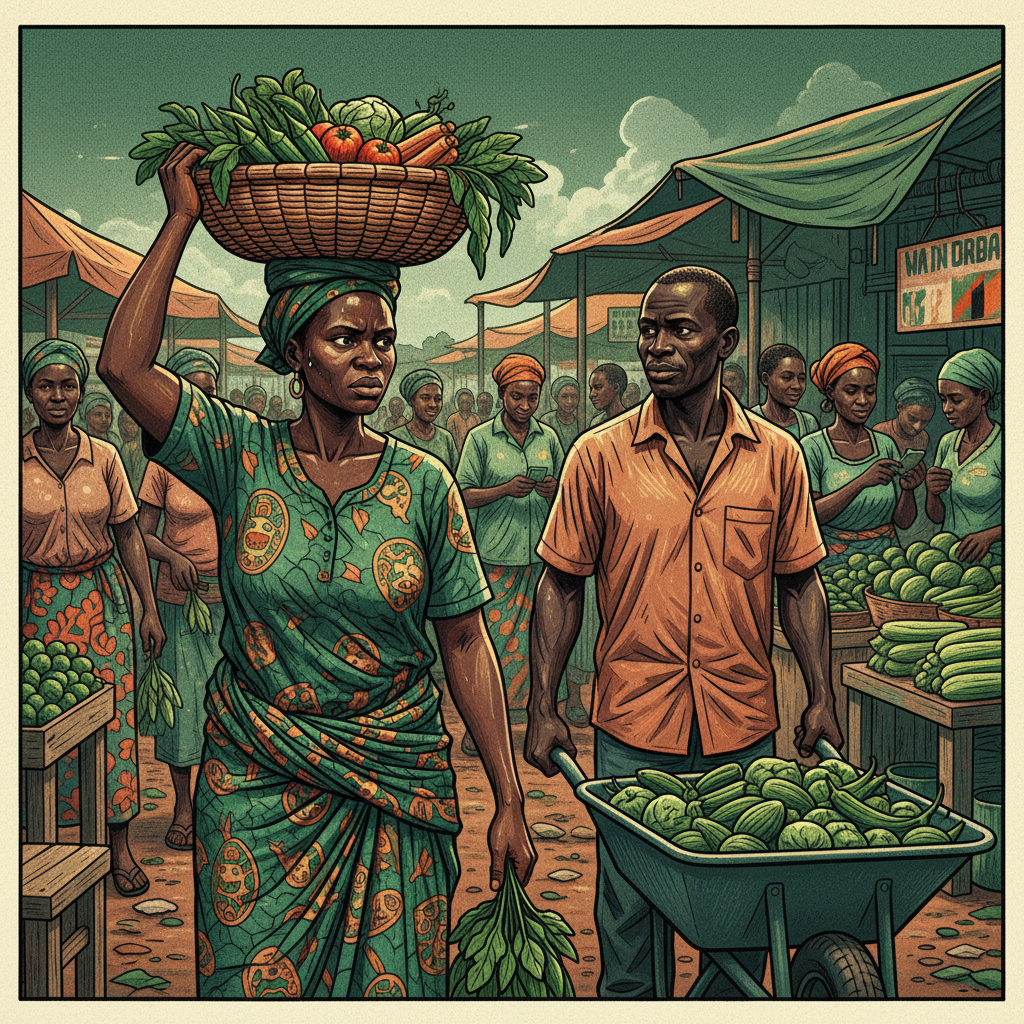
LUSAKA – In a poignant and timely intervention, renowned Zambian social commentator and activist Laura Miti has challenged prevailing societal norms that often burden men, especially fathers, with immense pressure to be primary providers of material wealth. Her recent guest article, titled 'Don’t feel ashamed If you work hard, but your honest sweat can only afford veggies,' offers a powerful message of validation and encouragement to Zambian men struggling to meet escalating economic demands. Miti's commentary acutely observes the day after Father's Day as a period when many men in Zambia might feel a heightened sense of inadequacy if their financial contributions do not align with societal expectations of grand gestures or lavish provisions. This sentiment, she argues, is deeply ingrained in cultural narratives where a man's success and even his love are often, unfairly, measured by his ability to provide beyond basic necessities. In a country grappling with economic volatility, including rising inflation and the high cost of living, this pressure can be debilitating, fostering feelings of shame and failure among those whose honest labour yields only modest returns. The activist's core message champions the dignity of honest work, regardless of its material outcome. She asserts that a man who dedicates himself to providing for his family, even if his efforts only stretch to afford 'veggies' – a metaphor for basic sustenance – should be celebrated, not shamed. This perspective directly confronts the consumerist culture that often dictates perceptions of success, urging a return to valuing effort, integrity, and the fundamental act of providing, however humble. This discourse is particularly relevant in the Zambian context, where traditional gender roles often place a heavy financial burden on men, while economic opportunities can be scarce or poorly remunerated. The informal sector, which employs a significant portion of the Zambian workforce, often offers unpred