Zambia ex-president's family wins latest legal battle over what should happen to his body
POLITICSBy BBC News — BBC News
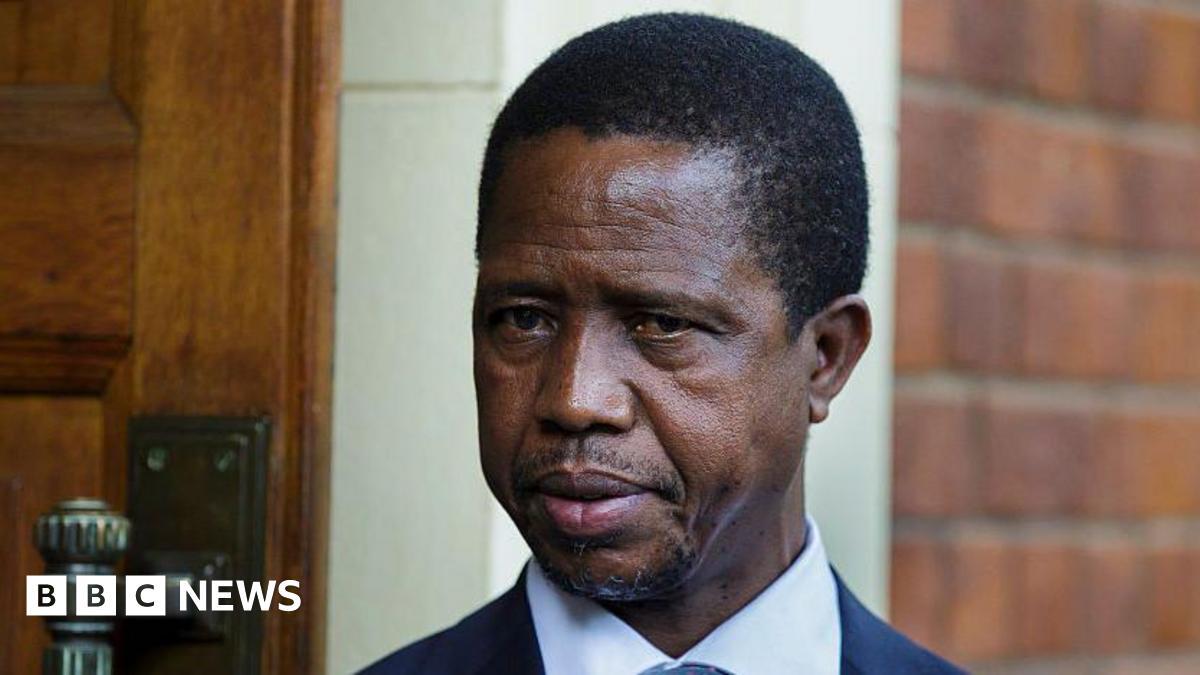
LUSAKA – A protracted and emotionally charged legal battle over the final resting place of Zambia's former President, Edgar Lungu, has seen a significant development, with his family successfully appealing a High Court decision. The latest ruling grants the family the right to bury the late statesman in South Africa, where he died more than a year ago, overturning a previous directive that sought to compel his burial within Zambian borders. The dispute has cast a shadow over the legacy of the former head of state, highlighting the complex interplay between traditional customs, family wishes, and state protocols in post-presidential affairs. The Zambian government, which had reportedly favoured a state burial within Zambia, possibly at a national heroes' acre, has yet to officially comment on the latest court outcome. This legal wrangling has captivated public attention, with many Zambians following the developments closely, reflecting on the dignity afforded to former leaders and the autonomy of families in such sensitive matters. Sources close to the Lungu family indicate that their preference for a South African burial stems from deeply personal reasons, potentially including the late president's long-standing connections to the country or the presence of close relatives there. The High Court's initial decision had been a point of contention, with the family arguing for their right to determine the funeral arrangements in accordance with their wishes, free from perceived governmental interference. The appeal court's judgment underscores the judiciary's role in upholding individual and family rights, even in cases involving high-profile public figures. The implications of this ruling extend beyond the immediate family, potentially setting a precedent for future cases involving prominent Zambian personalities. It reinforces the principle that while the state may have an interest in national figures, the ultimate decision regarding burial rites often rests with th