Empty grave, open question: what happens to Lungu’s Embassy Park plot now?
POLITICSBy Lusaka Times — Lusaka Times
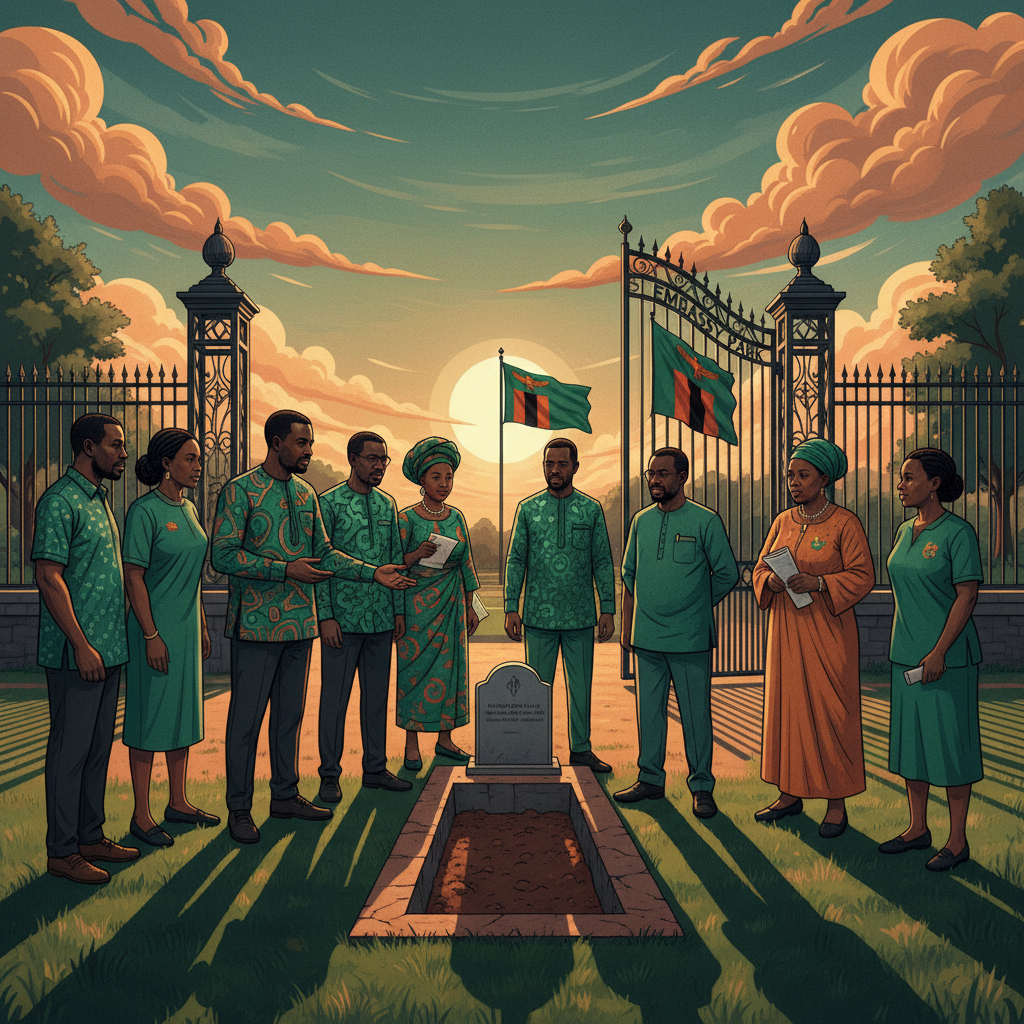
LUSAKA – The prepared burial plot intended for former President Edgar Lungu at the revered Embassy Park National Monument will remain unoccupied, the Zambian government has officially confirmed. This pronouncement comes after the former head of state publicly distanced himself from the national burial site, stating his preference not to be interred there. The decision leaves the authorities with an open question regarding the future of the meticulously prepared site, a matter that has sparked considerable public discussion. Embassy Park, established as Zambia's national heroes' acre, is the designated final resting place for former presidents and other distinguished national figures. It currently hosts the graves of Zambia's first President, Kenneth Kaunda, and third President, Levy Mwanawasa. The preparation of a plot for a living former president, while not unprecedented in principle as a national gesture, has now taken an unexpected turn with Mr. Lungu's clear disavowal. Sources within the Ministry of Tourism and Arts, which oversees national heritage sites, indicated that discussions are underway to determine the appropriate course of action for the now-vacant plot. Options could range from repurposing it for another deserving national figure in the future, maintaining it as a symbolic gesture, or even re-integrating the space into the park's general landscape. The government's stance is to respect the wishes of the former president while upholding the dignity and purpose of Embassy Park. This situation underscores the delicate balance between state protocols and individual preferences, especially concerning figures of national importance. The initial preparation of the site reflected a long-standing tradition of honouring former leaders, ensuring their place in national memory. However, Mr. Lungu's decision highlights a departure from this expectation, prompting a re-evaluation of how such national tributes are managed in the future. The implications extend