CHURCH URGED TO REFLECT AFTER LUNGU BURIAL MEDIATION FAILURE
INSTITUTIONSBy Zambian Observer — Zambian Observer
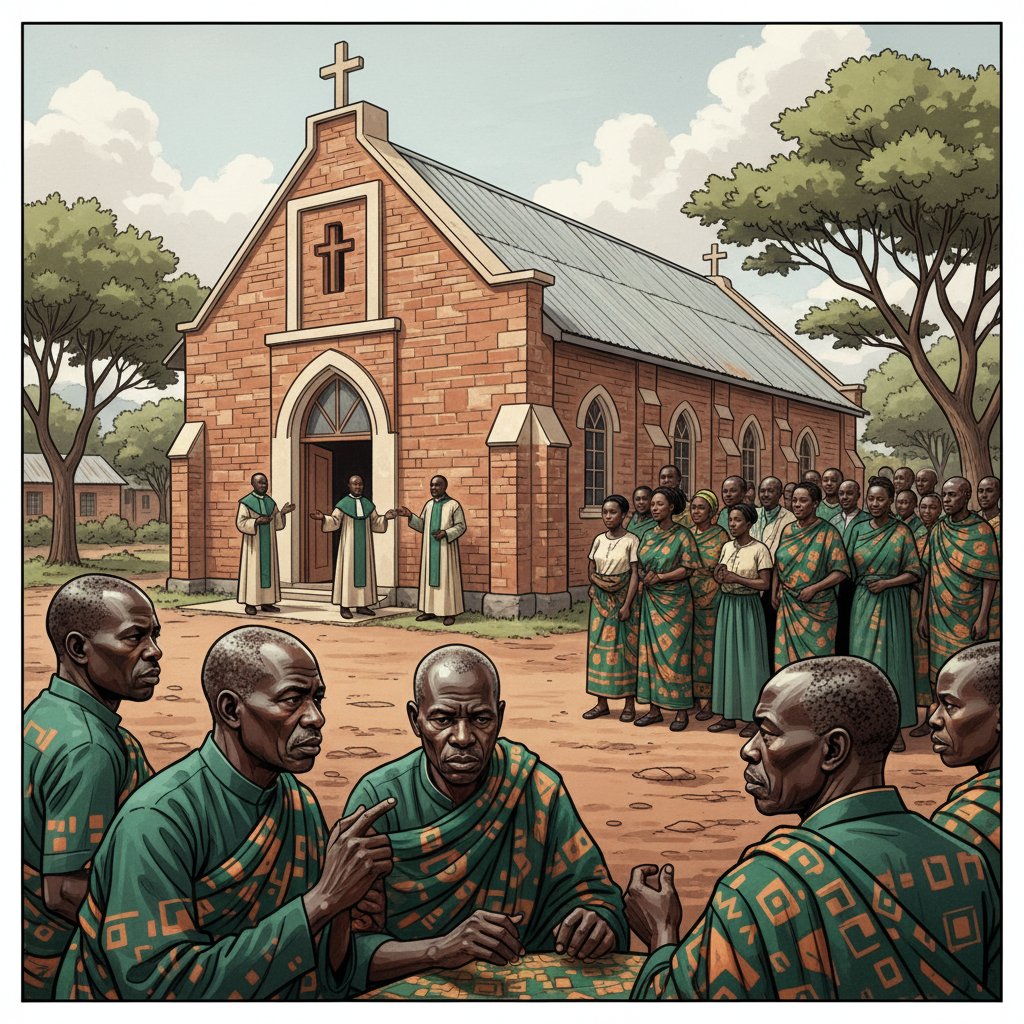
LUSAKA – The Evangelical Youth Alliance of Zambia (EYAZ) has issued a poignant call for the Church in Zambia to engage in deep introspection following its apparent failure to mediate a resolution in the contentious burial dispute involving the late former President Edgar Lungu's mother-in-law. The appeal by EYAZ underscores a broader concern within Zambian society regarding the Church's perceived diminishing efficacy in resolving high-profile family and national disputes, especially those with underlying political currents. The dispute, which has garnered significant public attention, revolves around the burial arrangements for Mrs. Elizabeth Phiri, the mother of former First Lady Esther Lungu. Reports indicate that various church bodies attempted to broker a peaceful resolution between the Lungu family and other parties involved, aiming to prevent the matter from escalating into a prolonged public spectacle. However, these efforts seemingly did not yield the desired outcome, leading to the current call for reflection from EYAZ. EYAZ President, Moses Lungu, emphasized the critical role the Church traditionally plays as a moral compass and arbiter of peace in Zambian communities. He noted that the Church's inability to successfully mediate in such a prominent case could erode public trust and question its capacity to intervene effectively in future conflicts. This sentiment resonates with many Zambians who look to religious institutions for guidance and reconciliation, particularly when secular mechanisms appear to falter. The incident serves as a stark reminder of the complexities involved when personal family matters intersect with public figures and political narratives. While the specifics of the burial dispute remain largely a private family affair, the involvement of a former head of state's family inevitably draws national interest and scrutiny. The Church, often seen as a neutral and respected entity, is frequently called upon to bridge divides, and its pe