Stop the Feigned Outrage, Lieutenant General Zyeele’s Election Directives Reflect Deep Rooted Civic Responsibility.
INSTITUTIONSBy Lengwe Cornelius Bwalya — Zambian Observer
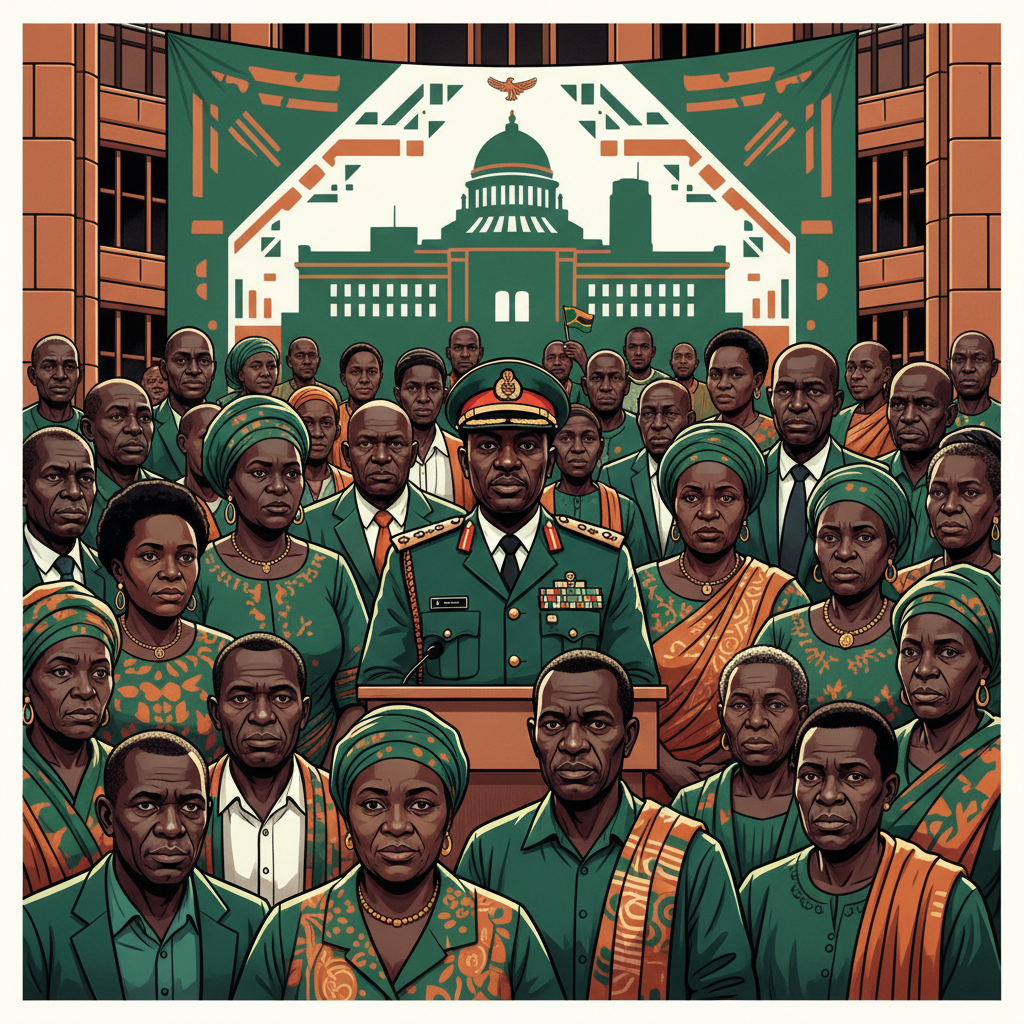
Lusaka – Lieutenant General Dennis Alibuzwi Zyeele, Commander of the Zambia Army, has recently issued directives concerning the conduct of military personnel during electoral periods, igniting a fervent discussion across the nation. These instructions, framed by some as a crucial reinforcement of civic responsibility and non-partisanship within the armed forces, have simultaneously drawn criticism from quarters alleging an overreach or even a subtle politicization of the military. The core of General Zyeele's message, as interpreted by proponents, underscores the imperative for military personnel to remain apolitical and uphold the highest standards of professionalism, particularly during the sensitive electoral cycle. This stance is rooted in the fundamental principle that a nation's defense forces must serve the state and its citizens impartially, free from the entanglements of partisan politics. Zambia's democratic journey, marked by peaceful transitions and robust electoral processes, relies heavily on the perceived neutrality and integrity of its institutions, including the military. However, a 'cloud of manufactured panic,' as described by some commentators, has emerged, suggesting that the critique leveled against these directives is disingenuous. This perspective posits that the 'outrage' is not a genuine concern for democratic principles but rather a calculated attempt to undermine the military's authority or to create political fodder. Historically, the Zambian military has played a vital, albeit often understated, role in maintaining peace and stability, especially during times of national elections. Ensuring that soldiers understand their civic duties and the boundaries of their involvement is not a novel concept but a continuous effort to safeguard the integrity of the electoral process. Critics, often from opposition benches or civil society groups, might argue that such directives, if not carefully worded and contextualized, could be misconstrued a