Blockchain.com, KuCoin expand payment rails across emerging markets
TECHNOLOGYBy Nate Kostar — Cointelegraph
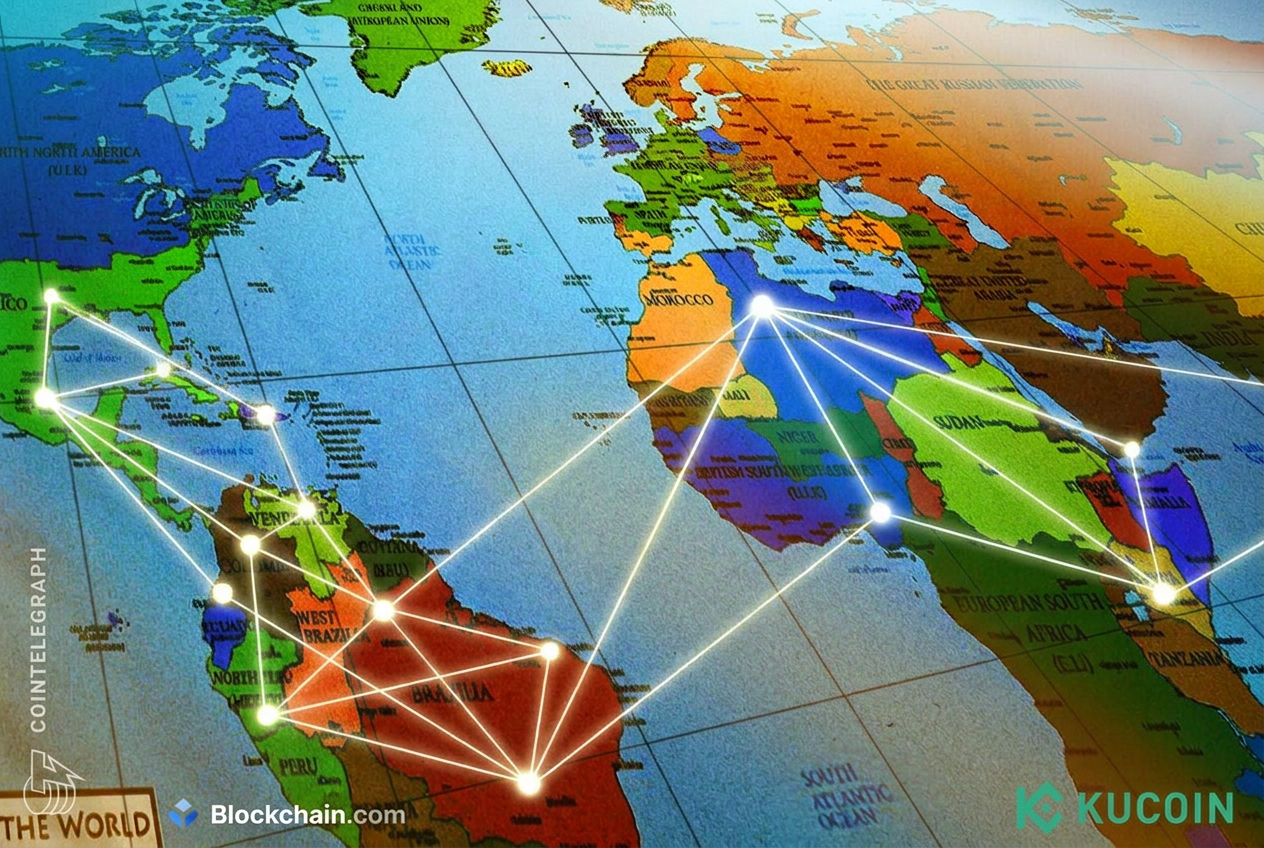
LUSAKA – In a significant development poised to reshape the financial landscape of emerging economies, global cryptocurrency exchanges Blockchain.com and KuCoin have announced the expansion of their payment services across various emerging markets. This strategic move, unveiled on Wednesday, aims to seamlessly integrate digital assets with existing local financial infrastructure, encompassing traditional banking systems and the ubiquitous mobile money networks. The initiative is particularly relevant for countries like Zambia, where mobile money has become a cornerstone of financial transactions, especially for the unbanked and underbanked populations. By bridging the gap between digital currencies and these established local payment rails, the platforms seek to unlock new avenues for cross-border payments, remittances, and general financial inclusion. The growing adoption of stablecoins – cryptocurrencies pegged to stable assets like the US dollar – is a key driver behind this expansion, offering a less volatile alternative for international transactions compared to more speculative digital assets. For Zambian citizens and businesses, this expansion could translate into tangible benefits. Remittances, a vital source of income for many households, often incur high fees and experience delays through traditional channels. The integration of digital assets could significantly reduce these costs and transaction times, making it easier for the Zambians in the diaspora to send money home. Furthermore, businesses engaged in international trade could benefit from faster and more efficient settlement processes, reducing operational friction and potentially boosting trade volumes. However, the introduction of advanced digital payment systems also brings regulatory considerations. The Bank of Zambia and other financial regulators will need to carefully assess the implications of these new services on financial stability, consumer protection, and anti-money laundering effort