Zambia's government takes possession of ex-president's body in repatriation row
POLITICSBy BBC News — BBC News
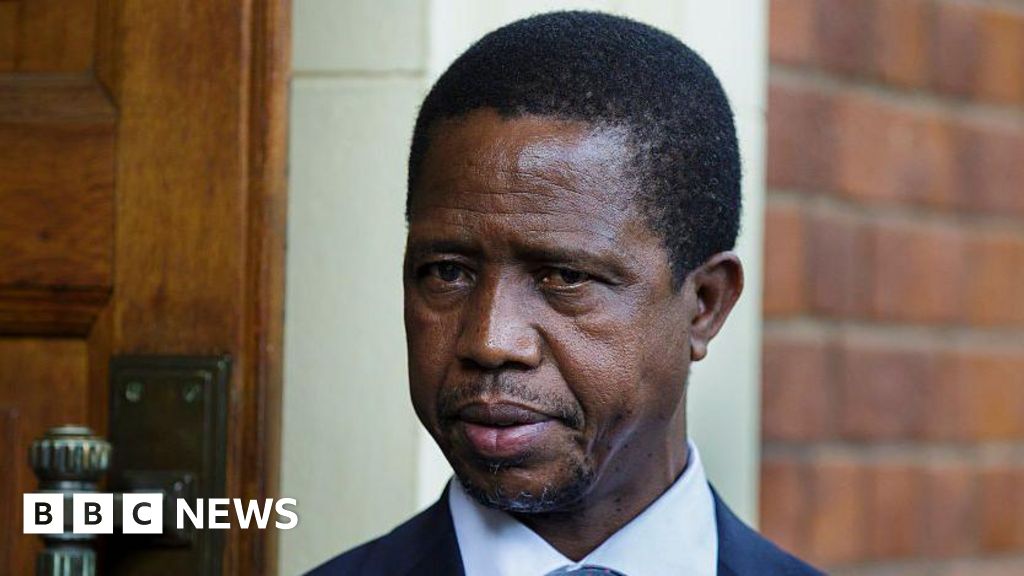
Lusaka, Zambia – A significant and sensitive dispute has erupted between the Zambian government and the family of former President Edgar Lungu over the handling of his remains following his death last June. The former head of state, who governed Zambia from 2015 until his electoral defeat in 2021, passed away at the age of 68 in a clinic in Pretoria, South Africa, due to an undisclosed illness. The core of the disagreement centres on the repatriation process and the ultimate burial arrangements, with authorities reportedly taking possession of the body, a move that has raised questions and concerns among the Lungu family and the public. Sources close to the family indicate that there is a profound disagreement over the state's involvement in what they consider a private family matter. While state funerals for former presidents are customary and often involve significant government coordination, the current situation appears to have escalated beyond standard protocols, leading to a perceived lack of consultation with the bereaved family. This has sparked a debate about the balance between national honour for a former leader and the personal wishes of his immediate relatives, a delicate matter in Zambian cultural contexts where family plays a paramount role in funeral rites. Edgar Lungu's tenure as president, which began in 2015 after the death of President Michael Sata, was marked by significant political and economic shifts. He secured a full term in 2016 but ultimately lost the 2021 general elections by a substantial margin to the current President, Hakainde Hichilema. His post-presidency period has seen occasional political commentary and, more recently, health challenges that necessitated his medical care abroad. The circumstances surrounding his death and now his burial have inadvertently reignited discussions about political transitions and the treatment of former leaders in Zambia. This repatriation row holds broader implications for Zambia's political land