LIVE
πŸ”΄ POLITICS: Zambia heads to the polls β€” August 2026 General ElectionπŸ“Š ECONOMY: Zambian Kwacha β€” latest exchange rates and market updatesπŸ›οΈ INSTITUTIONS: ECZ announces 70 new constituencies for 2026 elections
The Zambian People's Pulse

THE ZAMBIAN
PEOPLE'S PULSE

INSTITUTIONS85% Verified

Government reaffirms commitment to borderless energy future for Africa

β€’INSTITUTIONS
β€’
β€’

Editorial Analysis

The Zambian government's reaffirmation of its commitment to a borderless and sustainable energy future for Africa, targeting 10 gigawatts by 2030, signals a strategic pivot towards regional energy integration and increased renewable adoption. This initiative positions Zambia as a key player in continental energy security, leveraging its own resources and geographical advantage within the Southern African Power Pool. The focus on diverse energy sources and robust infrastructure development reflects a forward-thinking approach to power deficits and climate resilience, aligning with broader African development goals. The government narrative, as presented, emphasizes a proactive and collaborative stance, portraying Zambia as a leader in fostering regional energy independence and sustainability. This perspective is likely to be echoed by state-controlled media, highlighting the benefits of cross-border energy trade and the economic opportunities it presents. However, independent media might scrutinize the practical implementation challenges, such as funding mechanisms for large-scale projects, regulatory hurdles, and the pace of actual infrastructure development. They might question the feasibility of the 10 GW target given current economic constraints and past project delays, potentially contrasting government optimism with the realities on the ground. On social media, the 'Voice of the People' would likely be mixed. Many would welcome the promise of improved energy access and economic growth, particularly in areas still grappling with power outages. There would be calls for transparency regarding project timelines and costs, and a demand for tangible benefits to reach ordinary citizens. Some might express skepticism, referencing previous unfulfilled promises or concerns about foreign investment implications. Historically, Zambia's energy sector has faced challenges ranging from drought-induced power cuts to funding shortfalls for new projects. Economically, reliable and affordable energy is critical for industrialization and job creation, making this commitment a significant, albeit challenging, undertaking for the nation's development trajectory.

Share this article

Listen to Story

Click play to have this article read aloud

Government reaffirms commitment to borderless energy future for Africa

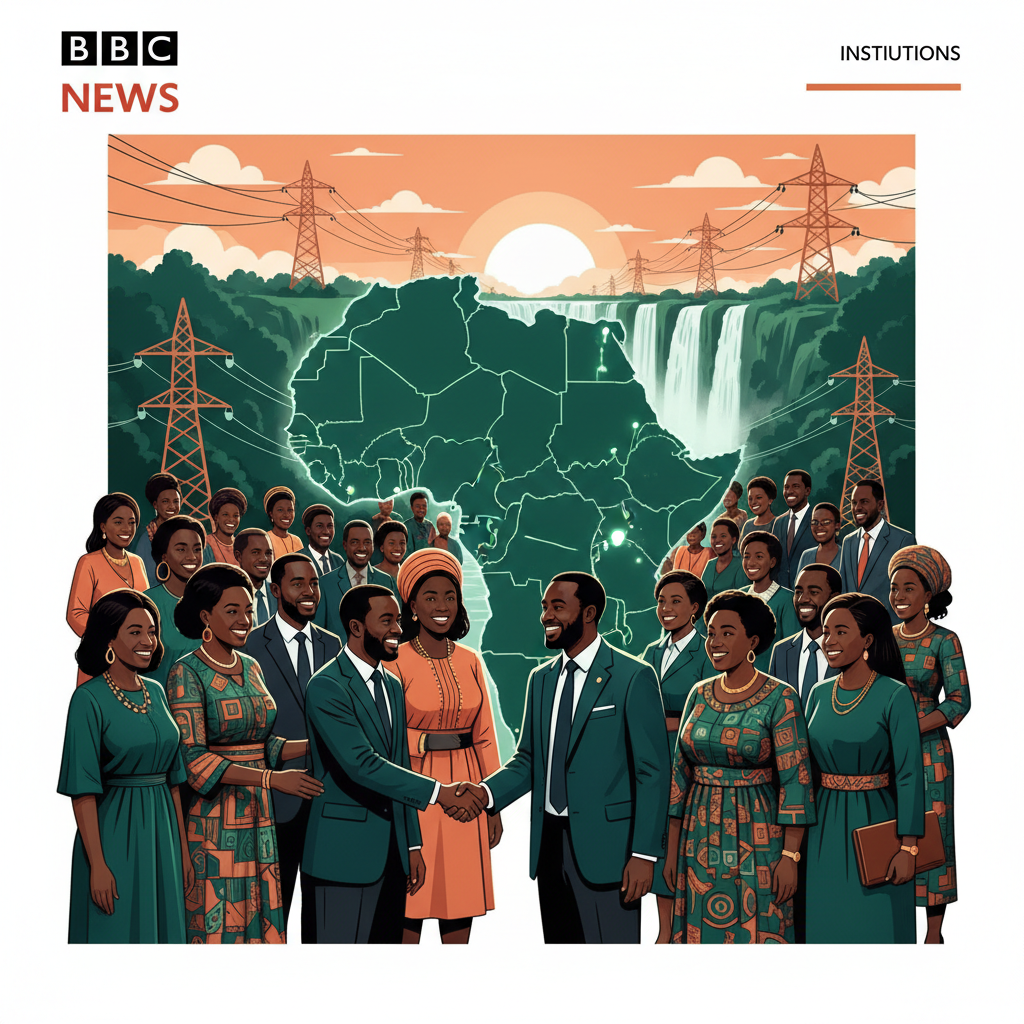
The Zambian government has reiterated its commitment to fostering a borderless and sustainable energy future across Africa, aiming to achieve 10 gigawatts of power generation by 2030. This initiative underscores Zambia's dedication to regional energy integration and addressing the continent's power deficits. The focus is on leveraging diverse energy sources to ensure reliable and affordable electricity for all.

Lusaka, Zambia – The Zambian government has unequivocally reaffirmed its dedication to spearheading a transformative agenda for Africa's energy sector, advocating for a borderless and sustainable power future. This ambitious vision, articulated by the Minister of Energy, aims to achieve a formidable target of 10 gigawatts (GW) of power generation across the continent by the year 2030. This commitment is seen as crucial for unlocking Africa's vast economic potential and improving the quality of life for its citizens.

The push for a borderless energy future is rooted in the understanding that energy security and accessibility are not confined by national boundaries. By facilitating the seamless transmission and trade of electricity across African nations, the initiative seeks to optimize resource utilization, reduce energy costs, and enhance grid stability. Zambia, strategically located within the Southern African Power Pool (SAPP), is poised to play a pivotal role in this integration, leveraging its own renewable energy potential and existing infrastructure to contribute to regional energy stability.

Achieving the 10 GW target by 2030 will necessitate significant investment in diverse energy sources, including hydro, solar, wind, and geothermal. Zambia, with its abundant water resources, has historically relied heavily on hydropower, but is increasingly exploring solar and other renewables to diversify its energy mix and build resilience against climate change impacts. This diversification is critical not only for meeting national demand but also for contributing reliable surplus power to the regional grid.

The government's commitment extends beyond mere generation capacity; it encompasses the development of robust transmission infrastructure, regulatory harmonization, and policy frameworks that encourage cross-border energy projects. Such measures are vital for attracting both local and international investment into the sector. Furthermore, the initiative is expected to foster greater regional cooperation, creating a more interconnected and resilient African energy market that can withstand supply shocks and support sustainable industrialization.

This strategic direction aligns with broader continental aspirations, such as the African Union's Agenda 2063, which envisions a prosperous Africa driven by inclusive growth and sustainable development. By prioritizing energy access and sustainability, Zambia and its partners are laying the groundwork for enhanced economic activity, job creation, and improved social services across the continent. The coming years will see concerted efforts to translate this vision into tangible projects and measurable progress, ensuring that Africa's energy future is both bright and sustainable.

Related Articles

ECZ launches training workshop for district electoral and returning officers
INSTITUTIONS

ECZ launches training workshop for district electoral and returning officers

The Electoral Commission of Zambia (ECZ) has initiated a crucial training workshop for district electoral officers and returning officers across the country. Chaired by Mwangala Zaloumis, the program aims to enhance the capacity and preparedness of these key personnel for upcoming electoral processes. This initiative underscores the ECZ's commitment to ensuring free, fair, and credible elections in Zambia by equipping its staff with essential skills and knowledge.

Trade unions are free under UPND unlike in the past – ZCTU
INSTITUTIONS

Trade unions are free under UPND unlike in the past – ZCTU

The Zambia Congress of Trade Unions (ZCTU) has reportedly stated that trade unions are now operating with greater freedom under the United Party for National Development (UPND) government, a significant departure from previous administrations. This assertion suggests an improved environment for labour movements to advocate for workers' rights without undue interference. The statement highlights a perceived shift in the government's approach to industrial relations and civil liberties.

Government Clarifies IMF Debt Statement Following Public Misunderstanding
INSTITUTIONS

Government Clarifies IMF Debt Statement Following Public Misunderstanding

The provided content is not an article but a Google Search redirect message. Therefore, a summary cannot be generated from the given text.

Reader Comments

Share Your Thoughts

No comments yet. Be the first to share your thoughts!