ECZ is not being fair, transparent to opposition, says Tonse Deputy SG—voter protection
POLITICSBy Zambian Observer — Zambian Observer
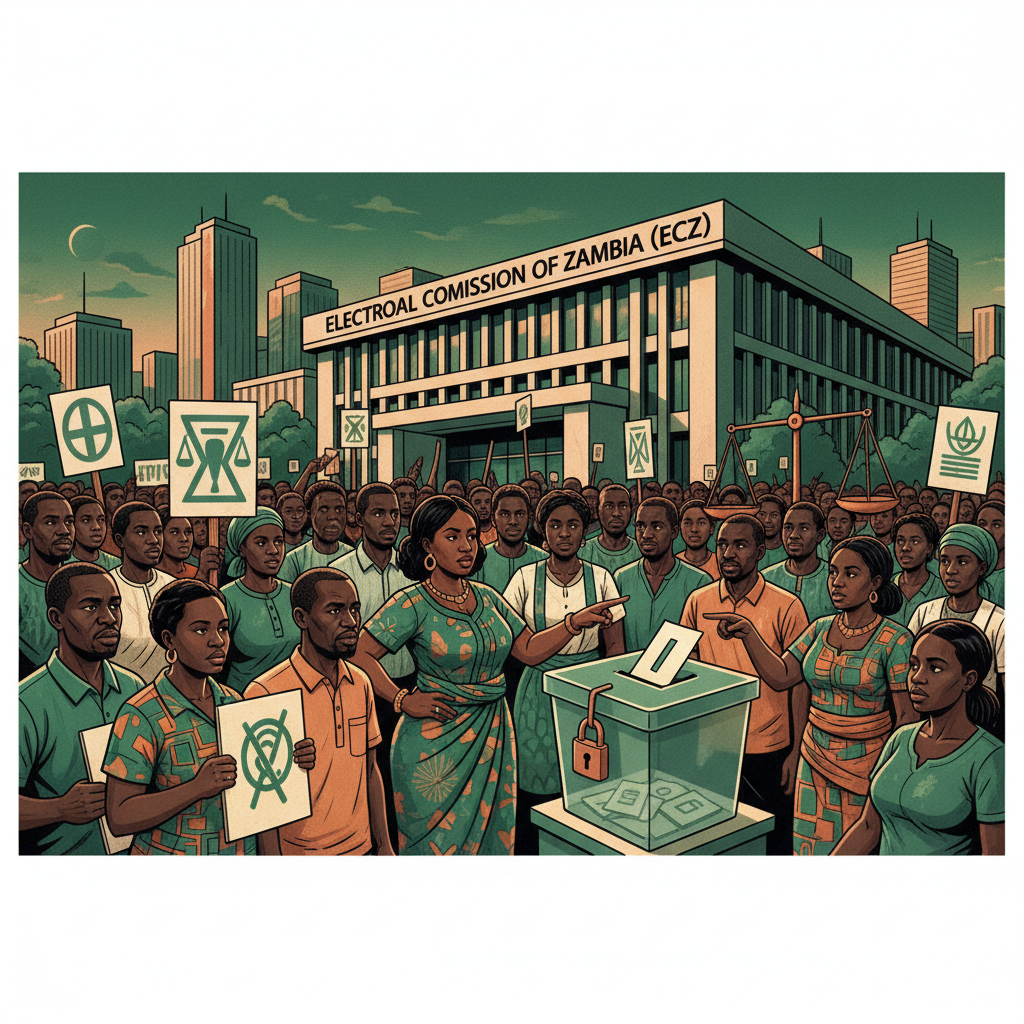
LUSAKA – The Electoral Commission of Zambia (ECZ) has come under scrutiny from the opposition, with Tonse Pamodzi Alliance Deputy Secretary General Kennedy Kamba publicly asserting that the electoral body is failing to uphold principles of fairness and transparency. Speaking in Lusaka, Kamba specifically pointed to issues surrounding voter protection, suggesting that the ECZ’s conduct is creating an uneven playing field for opposition parties. Kamba’s allegations are not isolated, echoing sentiments from various opposition factions that have consistently called for greater accountability and impartiality from the ECZ. He emphasized that a democratic society thrives on trust in its electoral institutions, and any perceived bias or lack of transparency erodes public confidence, potentially leading to instability. The Tonse Pamodzi Alliance, a coalition of opposition parties, views voter protection as a cornerstone of free and fair elections, arguing that without robust mechanisms to safeguard the electorate's rights and choices, the democratic process is compromised. The Deputy Secretary General urged the ECZ to proactively address these concerns, calling for immediate and tangible measures to demonstrate its commitment to neutrality. He stressed the importance of inclusive dialogue between the ECZ and all political stakeholders to iron out disagreements and build consensus on electoral reforms. Historically, the ECZ has faced criticism from both ruling and opposition parties at various junctures, highlighting the perennial challenge of maintaining public trust in an institution central to Zambia's democratic health. Observers note that such accusations often intensify in the run-up to by-elections or general elections, as political parties position themselves and scrutinize every aspect of the electoral framework. The ECZ, on its part, typically responds by reiterating its constitutional mandate to conduct elections freely and fairly, often inviting parties to pre