WE WILL WIN ELECTIONS WITHOUT A SINGLE POSTER, SAYS MAKEBI ZULU
POLITICSBy Zambian Observer — Zambian Observer
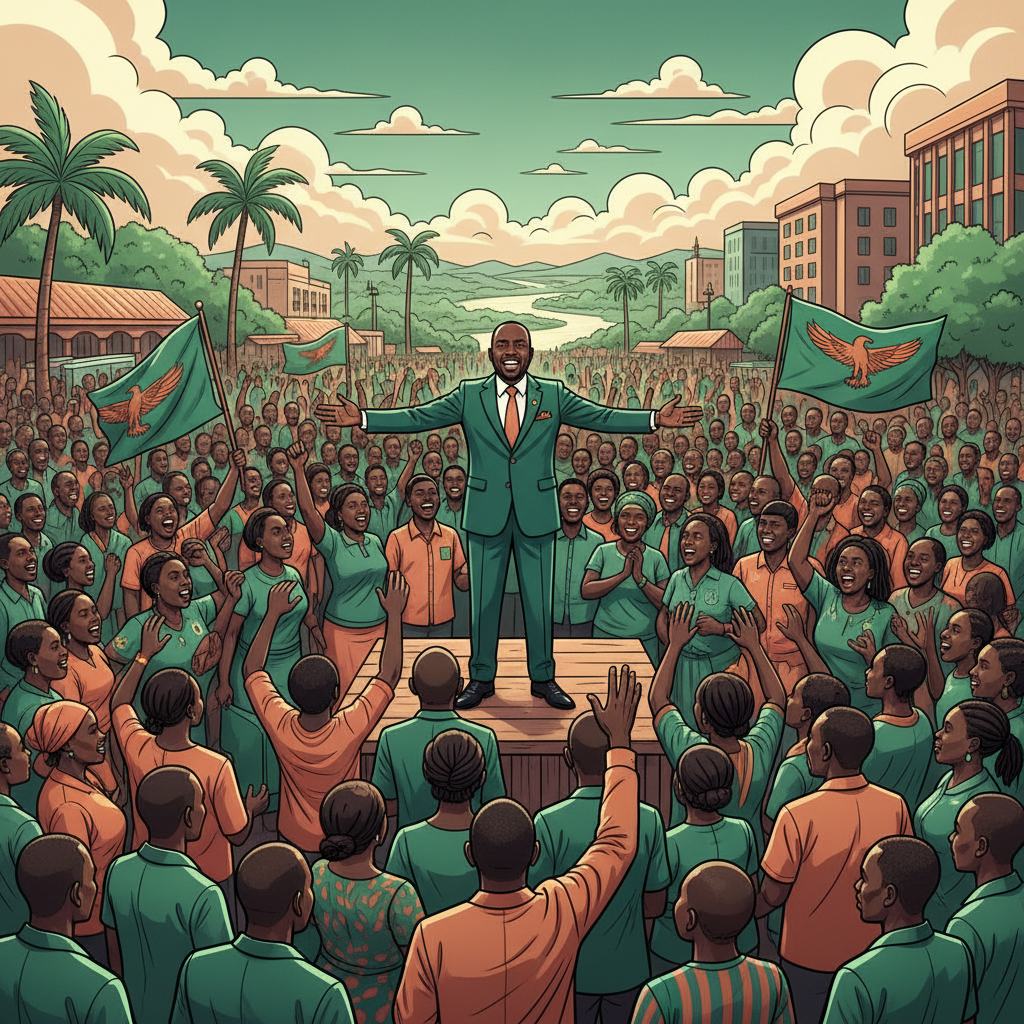
LUSAKA – In a striking declaration that has sent ripples through Zambia's political landscape, Makebi Zulu, the Vice President of the National Reconciliation Party for Unity and Prosperity (NRPUP), has asserted his party's unwavering confidence in securing victory in the forthcoming general elections, even without the ubiquitous presence of campaign posters. Mr. Zulu's statement, made amidst heightened political activity, underscores a strategic shift in campaign messaging, emphasizing public trust over conventional visibility. He firmly believes that the increasing number of Zambians aligning with NRPUP is a testament to their faith in the party's leadership and its proposed agenda for national development. This pronouncement by the former Malambo Constituency Member of Parliament and Eastern Province Minister comes at a critical juncture, as Zambia gears up for what is anticipated to be a closely contested election. Mr. Zulu, a prominent lawyer and politician, has been a visible figure in the opposition, having previously served as a lawyer and spokesperson for former President Edgar Lungu. His current role as Vice President to presidential candidate Brian Mundubile within the NRPUP positions him at the forefront of a movement aiming to challenge the incumbent government. The NRPUP, founded on principles of unity, inclusive development, and democratic governance, seeks to build a prosperous Zambia through economic transformation, agricultural development, and youth empowerment. The NRPUP's strategy, as articulated by Mr. Zulu, appears to hinge on a grassroots approach and direct engagement with the electorate, rather than relying on expensive and often environmentally impactful campaign materials. This could be interpreted as a direct challenge to the traditional, resource-intensive campaign methods prevalent in Zambian politics. The party seems to be banking on the resonance of its message and the perceived credibility of its leaders to sway voters, suggesting