ZESCO DISMISSED POST-ELECTION LOAD SHEDDING CLAIMS
INSTITUTIONSBy Unknown — Zambian Observer
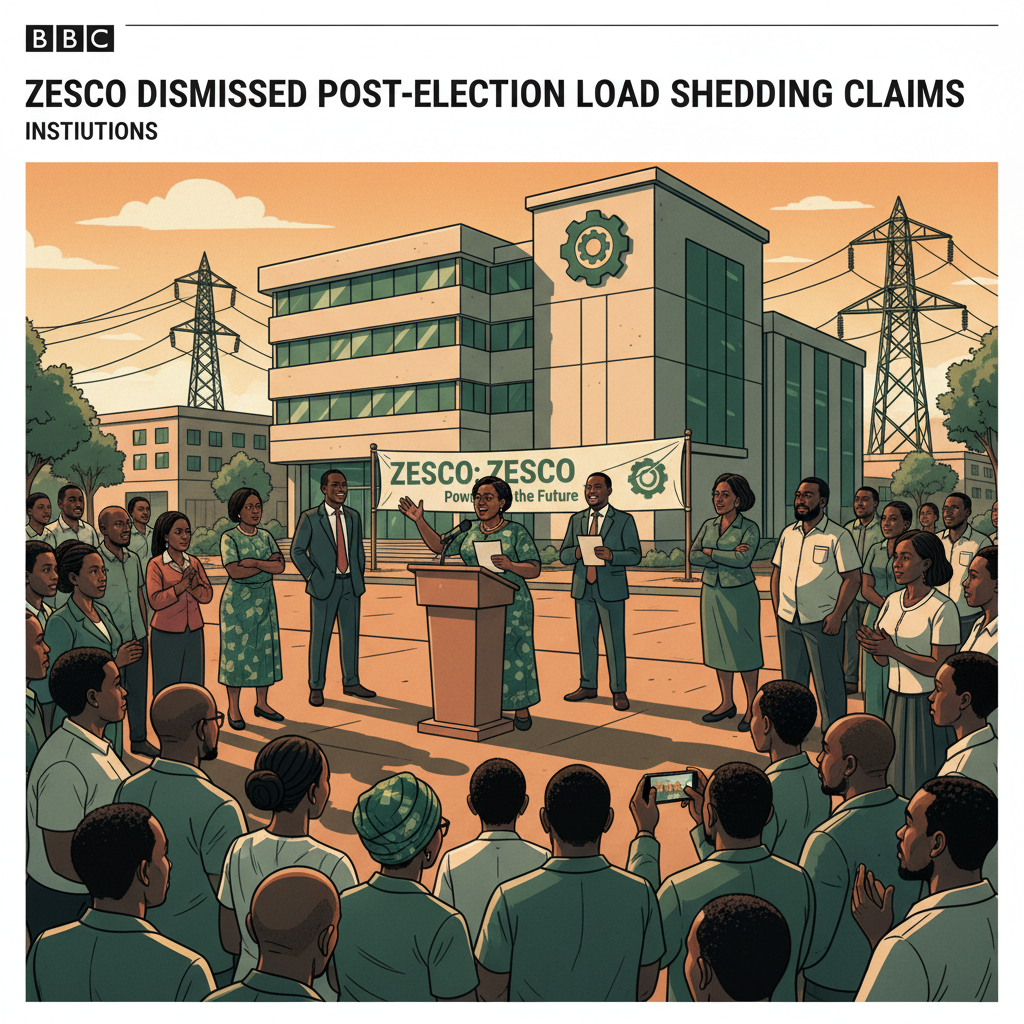
ZESCO Limited, Zambia's national power utility, has categorically dismissed assertions from various political factions suggesting that the country is poised for a return to severe load shedding following the August general elections. The utility company, through an official statement, labeled these claims as baseless and intended to sow discord and panic among the populace regarding the stability of Zambia's electricity supply. This pronouncement seeks to reassure citizens and businesses alike that the nation's energy outlook remains secure, despite the historical challenges and the political rhetoric surrounding power availability. For years, load shedding has been a contentious issue in Zambia, often exacerbated by drought conditions impacting the predominantly hydro-dependent power grid. The prospect of increased power outages is a significant concern for households and industries, particularly small and medium-sized enterprises (SMEs) which are highly vulnerable to disruptions. Political parties frequently leverage public sentiment around essential services like electricity, making ZESCO's operations a recurring subject of debate, especially during election cycles. ZESCO's management emphasized that the current power generation capacity and ongoing investments are sufficient to avert widespread, prolonged load shedding. The company has been working to diversify its energy mix, incorporating thermal and solar power sources to reduce over-reliance on hydropower, which is susceptible to climatic variations. Recent years have seen significant investments in new power projects and upgrades to existing infrastructure, aimed at bolstering the national grid's resilience and capacity. The utility's assurance comes at a critical juncture, as reliable electricity supply is vital for economic growth and maintaining public confidence. Uninterrupted power is crucial for sectors ranging from mining to manufacturing, and for the daily lives of millions of Zambians. The compa