Big Words, Small Action: Why the Zambian Government is Failing “The Gonzales Test”
OpinionBy Tanya Malama Foooks
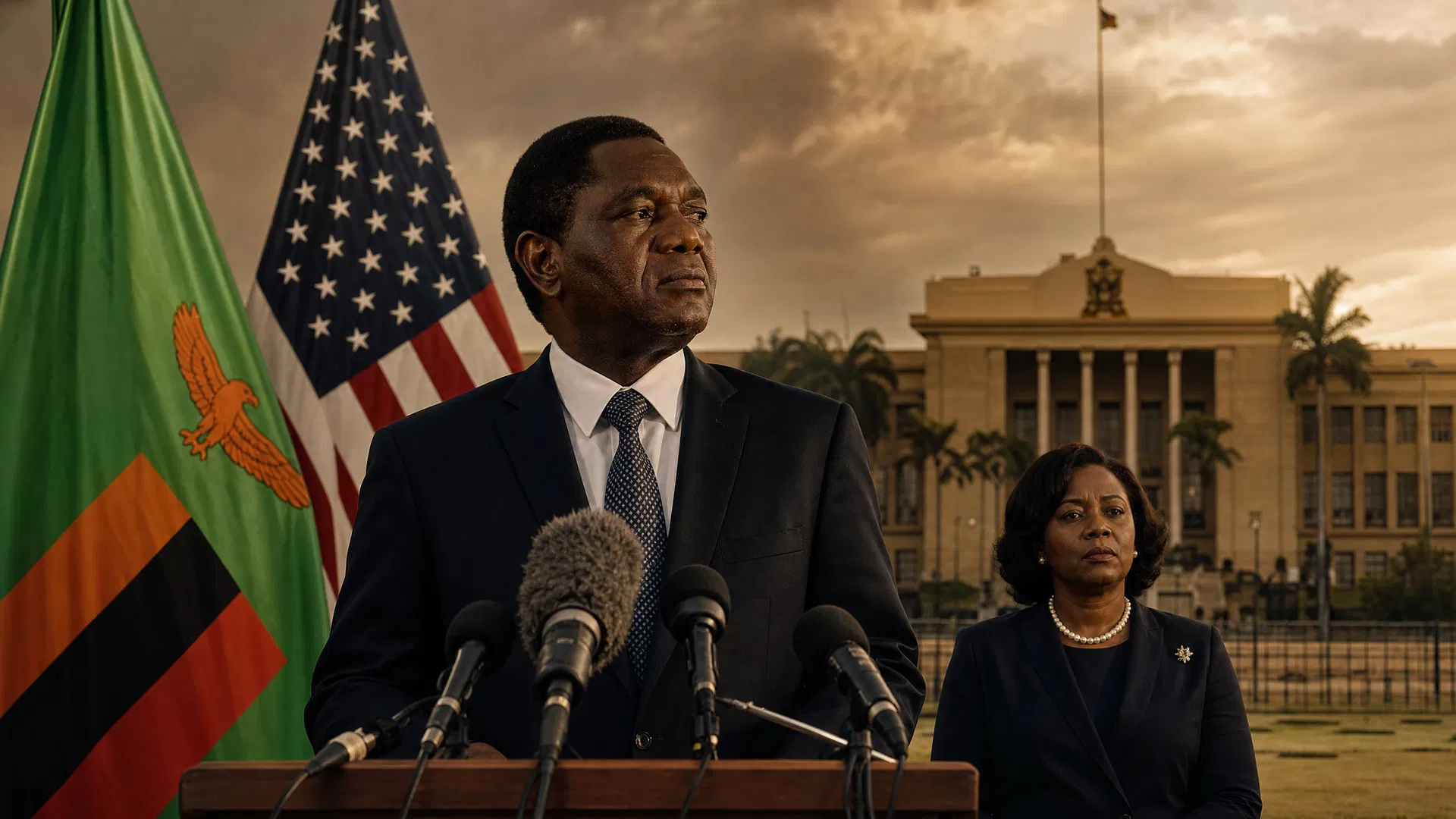
The outgoing American Ambassador, Michael Gonzales, hasn't exactly been packing his bags in silence. From a headline-grabbing appearance on That Zed Podcast (Episode 215) to a candid farewell speech at his residence, Gonzales has spent his final week in Zambia doing something our own officials seem loath to do: speaking plainly. The fallout has been revealing, not just for what was said, but for how our government has chosen—and failed—to respond. The "Ghosting" of an Ally Gonzales’s parting shot was a heavy one. He reiterated that the U.S. government has repeatedly reached out to the Zambian administration regarding specific corruption investigations, only to be met with a wall of silence. The implication is clear: the government is hoping that by ignoring the messenger, the message will eventually disappear under the carpet. But corruption isn’t a dust mite; it’s a structural rot. By failing to respond in a "duly timely manner," the government isn't just snubbing an ambassador—they are signaling to the Zambian people that they are either unable or unwilling to confront the graft within their own ranks. A Masterclass in Unapproachability When the government finally broke its silence, the response came from Mulambo Haimbe, the Minister of Foreign Affairs and International Cooperation. Unfortunately, the Minister’s statement was a masterclass in the very "unreachability" Gonzales criticized. Minister Haimbe dismissed the Ambassador's claims as "mischievous," "undiplomatic," and "deeply regrettable." But instead of a clear, point-by-point rebuttal of the corruption allegations, we were treated to a document that felt like a dry legal contract—unrelatable, unapproachable, and defensive. This is a recurring fever in Zambian politics. Our leaders hide behind "big words" and "unequivocal denials" rather than providing facts. What we needed was a line-item refutation. What we got was "legalese" obfuscation. The Mystery of the ZAMMSA Report A central point of contention